

If you've ever rummaged through your kitchen cabinet, staring at mismatched glass jars that collect dust and lose the vibrancy of your favorite cumin or paprika, you've probably daydreamed about a more creative storage solution. As someone who runs a carved wooden trinket box business, I get this question all the time: can these intricate, handcrafted boxes actually double as spice storage? At first glance, it seems like a fun, rustic idea-turning a decorative piece into something practical. But before you go sticking turmeric in your grandmother's heirloom carved box, there are some important science-backed factors to consider. Let's break this down, from the nature of wood to how spices behave, so you can make a choice that works for both your spices and your favorite keepsake.
First, let's talk about why people even ask this question. Carved wooden trinket boxes are designed to hold small, precious items-jewelry, vintage coins, handwritten letters, or sentimental trinkets. They're often made from natural woods like mahogany, cherry, or pine, and their carved details add character to any room. For many home cooks, the idea of using such a beautiful piece for spices feels like a way to blend function and decor-why hide your spices in a drawer when you can display them on a countertop? But spices aren't like jewelry. They're porous, sensitive to moisture, and they have strong odors that can cling to materials. Let's start with the most critical point: wood's natural properti
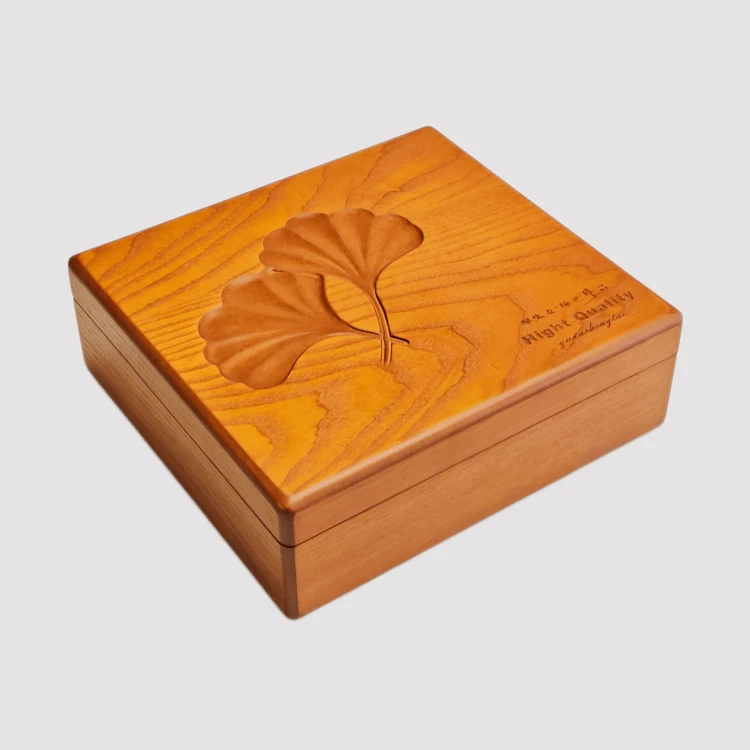
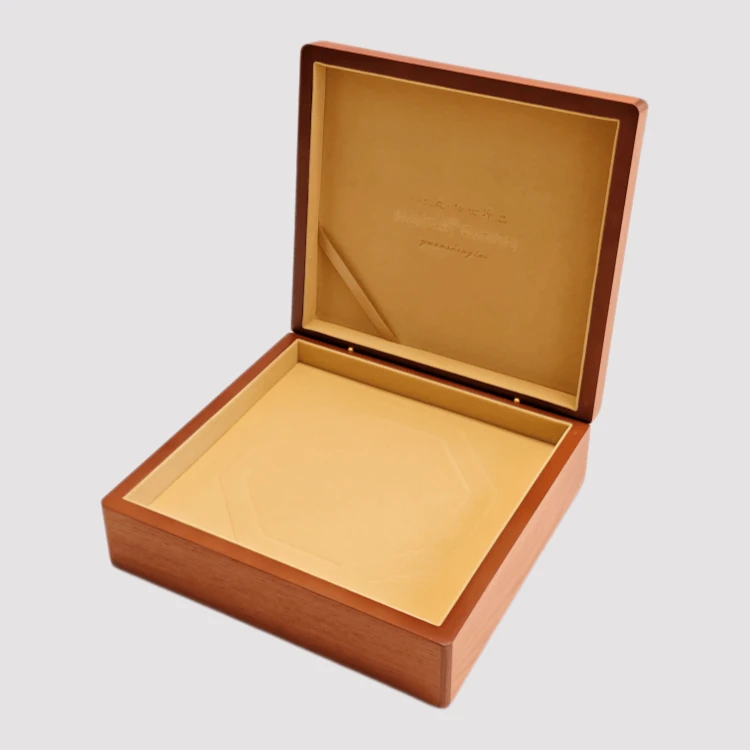
Wood is a hygroscopic material, meaning it absorbs and releases moisture from the air around it. That's why a wooden chair might feel sticky on a humid day or crack in dry winter air. When it comes to spices, which are dried plant materials, their quality depends on staying dry (usually around 10-12% moisture content) to prevent mold, clumping, and loss of flavor. If a wooden box absorbs too much moisture from the air-say, from a steamy kitchen stove or a dishwasher nearby-it can transfer that moisture to your spices. Over time, this can turn your fine-ground black pepper into a hard, caked lump or make your delicate dried herbs grow a fuzzy layer of mold. That's a problem no cook wants to deal with, especially if they're using those spices for a special meal.
Another big factor is odor transfer. Spices have incredibly strong, volatile essential oils that give them their flavor and aroma. Think about how a single clove can fill an entire room, or how a jar of cinnamon can make your kitchen smell like fall. Wood, especially porous natural woods, absorbs these odors easily. Once your spices are in the box, their oils will seep into the wood grain. The result? Your carved trinket box will start to smell like curry or paprika, and it might never get rid of that scent. If you later want to use it for its original purpose-holding jewelry or sentimental items-those spices odors will cling to your rings, necklaces, or letters. That's a trade-off most people aren't willing to make, which is why many spice storage solutions are designed to be odor-resistant, like glass or metal.
But wait-does that mean carved wooden trinket boxes are completely off-limits? Not necessarily, if you're willing to take some precautions. The key is to create a barrier between the wood and the spices. For example, if you have a carved box with multiple small compartments, you could line each compartment with food-grade parchment paper or beeswax wraps. These thin, non-porous layers can prevent the spices from touching the wood directly, reducing moisture absorption and odor transfer. Just make sure to replace the lining every few months, especially if you use the box frequently. Another option is to place small, airtight glass or metal spice jars inside the carved box. That way, the spices are sealed in their own containers, and the box is just a decorative holder for the jars. It's a middle ground that lets you enjoy the rustic look of the wood without risking your spices or your box.
As a supplier of carved wooden trinket boxes, I've seen customers try this with great success. One customer from Portland, Oregon, told me she uses her hand-carved cherry wood box to hold six small glass jars of her most-used spices-cinnamon, nutmeg, coriander, paprika, cumin, and cardamom. The box sits on her kitchen counter, and when she needs a spice, she just takes out the tiny jar, uses it, and puts it back. She avoids direct contact between the wood and the spices, so her box still smells like cherry, and her spices stay fresh. Another customer in Texas uses a larger carved box to hold whole spices, which are less prone to clumping than ground spices. She still stores the whole spices in small glass jars, but the box adds a warm, handmade touch to her kitchen decor. It works for them, but it's not for everyone.
Now, let's compare this to dedicated spice storage options. If you're looking for something that's both decorative and practical for spices, you might consider other wooden box options that are designed for different uses. For example, a natural wood jewelry box is made from the same kind of woods as a carved trinket box, but it might have a more sealed interior or felt lining. Wait, actually, some jewelry boxes-like the high gloss jewelry box we offer-have a hard, non-porous exterior that's less likely to absorb moisture. That said, the high gloss finish is more about durability for jewelry than food safety, so you still wouldn't want to use it without liners. A Western jewelry box, with its rustic design, might seem like a good fit for a kitchen, but again, its interior is designed for jewelry, not spices. Our natural wood jewelry box is similar to a carved trinket box in material, so it has the same hygroscopic properties-great for keeping jewelry dry, but tricky for spices. If you're set on wood, maybe a wooden necklace jewelry box, with smaller, sealed compartments, could work if you line each slot properly. Ornate jewelry boxes, with their intricate carvings, are beautiful but often have more gaps where moisture can seep in, making them even less ideal for unlined spice storage.
What about the impact on the carved wood itself? The detailed carvings on these boxes are delicate-small grooves and crevices where spices can get stuck, even if you're careful. Those crevices are hard to clean, and if a spice gets trapped there, it can start to break down, leaving residue that's hard to remove. Over time, this can damage the carved details, especially if the spice has acidic oils (like turmeric or lemon pepper) that can stain the wood. A carved box is a work of art, often made by hand, so using it for something that could cause stains or permanent odors might not be worth it if the box has sentimental value. I always tell my customers: if your carved trinket box is a family heirloom or a special gift, it's best to keep it for its original purpose. Using it for spices could risk damaging that piece, which would be a shame.
But let's not write off the idea entirely. If you have a carved wooden trinket box that's not of great sentimental value, and you're willing to put in the work to line it properly, it can be a fun, creative way to store spices. Just make sure to choose whole spices over ground ones-whole spices have less surface area, so they absorb less moisture and odors. Also, keep the box in a cool, dry place away from heat sources like stoves or ovens, which can increase humidity and speed up flavor loss. Every month, check your spices for clumping or mold, and every few months, replace the lining if you're using it. It's a little more maintenance than a regular spice jar, but if you love the look, it might be worth it.
Another thing to consider is food safety. Wood, even natural wood, can harbor bacteria if it's not properly cared for. Spices are dry, but if there's any moisture in the box, that moisture combined with the wood's grain can create a breeding ground for bacteria. If you're using an unlined carved box, you're more likely to have moisture buildup, which could lead to food safety issues. That's why most food storage recommendations (from the FDA and culinary experts) suggest using non-porous materials like glass, metal, or food-grade plastic for food storage. Wooden boxes, while beautiful, aren't designed to meet food safety standards for direct contact with spices, so lining them is essential if you're going to use them that way.
As someone who's been in the carved wooden trinket box business for years, I understand the draw of blending decor and function. My customers often want their kitchen to feel warm and personal, not just a space for appliances and jars. A hand-carved box has that perfect handmade, organic feel that can make a kitchen feel like home. But it's important to balance that aesthetic with practicality. If you're set on using a wooden box for spices, look for ones that have a more sealed interior (like our wooden necklace jewelry box, which has smaller, tighter compartments) and always line them with food-safe materials. If the box is a valuable or sentimental piece, keep it for jewelry, letters, or other treasures-there are plenty of other ways to add handmade charm to your kitchen, like wooden utensil holders or decorative ceramic jars.
At the end of the day, the answer to "Can I use a carved wooden trinket box for storing spices?" is: yes, but with caution. It's not a one-size-fits-all solution, and it requires extra steps to protect both your spices and your box. If you're willing to do the work, it can be a unique, beautiful storage option. But if you want to keep your spices fresh and your carved box in perfect condition, it might be better to stick to its original purpose, or use it only as a decorative holder for sealed spice jars. If you're looking for other wooden storage solutions that blend function and decor, we offer a range of wooden boxes-from the sleek high gloss jewelry box to the rustic Western jewelry box-that can be repurposed with proper liners. If you're interested in learning more about how to choose the right wooden storage piece for your needs, or if you're looking for a carved wooden trinket box that works for both treasures and spices, feel free to reach out to our team to discuss your options. We're always happy to help customers find the perfect piece that fits their lifestyle and storage needs.
References
- USDA Food Safety and Inspection Service. (2022). "Food Storage Guidelines for Dry Goods." U.S. Department of Agriculture.
- American Wood Council. (2021). "Hygroscopic Properties of Wood and Wood Products." American Wood Council.
- Culinary Institute of America. (2020). "Spice Storage: Maximizing Flavor and Freshness." The Culinary Institute of America.
- Woodworking Network. (2019). "Caring for Hand-Carved Wooden Items: Preserving Detail and Function." Woodworking Network.
- National Association of Jewelry Appraisers. (2021). "Protecting Jewelry from Environmental Factors: Odors, Moisture, and Damage." National Association of Jewelry Appraisers.